Arrests.org Direct Links — How to Actually Use the Site
Arrests.org is one of the most searched public records aggregators in the U.S. — people land there looking for booking photos, recent arrests, and jail records. But the site itself doesn’t walk you through how to use it well. Below are 5 direct entry points into the arrests.org network, along with the exact steps to follow once you’re on the site so you actually find what you’re looking for instead of bouncing between state maps.
5 Direct Arrests.org Access Links
🏠 Arrests.org Homepage
www.arrests.org
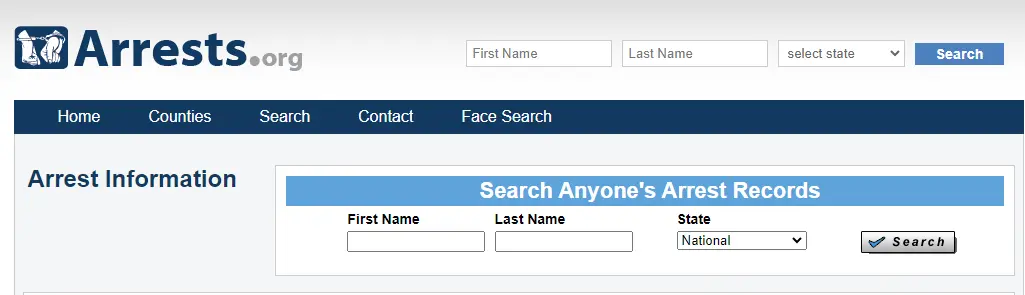
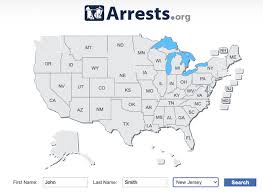
Main entry point with the interactive U.S. state map and national name search bar. Start here if you don’t know the state yet.
By State🗺️ Browse by U.S. State
arrests.org/states
Click straight into a specific state’s arrest listings. Useful when you already know where the arrest happened.
Latest Bookings🕒 Most Recent Arrests
arrests.org/recent
Freshest booking entries added to the database. Best for arrests that happened in the last 24–72 hours.
Name Search🔍 Name & Keyword Search
arrests.org/search
Go straight to the search interface — type a first and last name with optional filters for state or date range.
Data & Removalℹ️ About & Removal Info
arrests.org/about
Background on the data sources, how records get listed, and the procedure for requesting a record removal after expungement.
How to Actually Use Arrests.org After You Open It
Opening the site is the easy part — finding the specific record you want is where most people waste 20 minutes. Here’s the exact sequence that works.
-
Start with the U.S. state map, not the top search bar
The national search returns too many duplicate-name results. Clicking the state on the map narrows the database down to that one state immediately, and that’s where most searches should start.
-
Drill down to the specific county once you’re on the state page
Each state page lists counties alphabetically. Click the county where the arrest happened. County pages load recent bookings in reverse chronological order — newest first.
-
Type the exact legal name, not a nickname
Use the name exactly as it would appear on a government ID. “Mike” won’t match “Michael.” Add the middle initial if you know it — it drastically cuts down duplicate-name noise.
-
Click into the full record and write down the booking number
The booking number is the single most important data point on the page. It’s what attorneys, bondsmen, and jail staff use to pull the exact file. Screenshot the full record too.
-
Cross-check with the official county sheriff before acting
Arrests.org data can run hours or days behind the official source. Verify everything on the county sheriff’s inmate search before making any phone calls, payments, or decisions.
If the record isn’t showing up: booking typically takes 2–8 hours after arrest, and arrests.org updates on a delay. Wait 12–24 hours and check again. In the meantime, Google the pattern “[County] County Sheriff” inmate search — the official sheriff’s roster is almost always faster and more current.
Important: Arrests.org is a third-party aggregator, not a government website. Records shown may reflect original booking charges even when those charges were later dropped, reduced, or dismissed. Always verify case outcomes through the official county Clerk of Court case search before drawing any conclusion about guilt, innocence, or case status.
Arrest Records, Mugshots, Jail Rosters & Warrants — The Real Walkthrough
If someone you love just got arrested, or you’re checking whether you have an active warrant, or you need to find a booking photo — this is the page we wish somebody had handed us the first time. Step by step, official links, zero fluff.
When someone you know gets arrested, the confusion hits hard and fast — unfamiliar legal jargon, mounting anxiety, and a hundred urgent questions at once. Maybe you saw a booking photo on Arrests.org and need the practical next steps. Maybe you’re trying to figure out how to post bail at 2 AM, how to visit someone without getting turned away at the door, or how to find a defense attorney who won’t drain the savings. This guide walks you through every real-world scenario after an arrest — with verified government links, concrete micro-steps, and the kind of insider detail most articles skip entirely.
- What Arrests.org Is (And Isn’t)
- Fastest Way to Find Someone in Custody
- Reading a Jail Roster the Smart Way
- Searching Mugshots — Where They Actually Live
- The First 72 Hours — Hour-by-Hour Checklist
- Active Warrant Search — By Name, By State
- Bail Bonds — What They Actually Cost
- Jail Visitation Without Getting Turned Away
- Jail Phone Calls, Mail & Commissary Money
- Finding a Defense Lawyer on Any Budget
- Decoding Charges & the Court Timeline
- Mugshot Removal & Record Expungement
- Every Major Official Portal (Federal + States)
- Third-Party Sites vs Official Records
- Your Legal Rights
- Find Courthouses & Jails Near You
- Questions People Actually Ask
What Arrests.org Is — And What It Isn’t
If you typed “arrests.org” into Google and ended up here, you were probably looking for a quick way to find someone’s arrest record or a mugshot. That’s a completely normal thing to want — millions of people do it every month. Here’s what nobody tells you upfront: there are multiple sites using “arrests.org” branding, and none of them are the government. They’re private aggregator sites that republish publicly available booking data from county jails and sheriff offices around the country.
That matters for two reasons. First, data on those sites can be days, weeks, or even months out of date. Someone whose charges were dismissed in January can still show up with the original booking charges in April. Second, case outcomes — the part that actually matters most, like whether a conviction happened or the case got thrown out — rarely get updated on aggregator sites at all.
The honest answer is: aggregator sites are fine for a quick first look, but if you need current, accurate, authoritative information, go to the official source. That’s usually the county sheriff’s jail roster, the state Department of Corrections, or a court clerk’s portal. This entire guide is built around showing you exactly how to do that — in plain English, with links that actually work.
The short answer most people search for: Is Arrests.org legit? The data is real in the sense that it comes from public records, but the site is a private business, not a government agency. No removal fees should ever be paid, the data can’t be used for FCRA-regulated decisions, and you should always verify through the official county source before acting on anything.
What actually shows up on a typical arrest record
A standard booking record — whether you’re looking at it on a sheriff’s website or an aggregator — will usually display the individual’s full legal name as recorded at booking, the booking photograph, the arrest date and time, each charge filed at booking, the arresting county and state, and often the bail or bond amount if one has been set. In many cases, you’ll also find the booking number — a unique identifier assigned by the jail. That booking number is the single most important piece of information to write down, because it’s what every professional involved in the case (attorneys, bondsmen, court clerks, jail staff) uses to locate the exact file instantly.
The practical tip most guides skip: The booking number is your golden key. Before you call anyone — the jail, a bail bondsman, a lawyer — write that number down first. Leading with a booking number instead of a name saves massive time, because name searches often return multiple results (common names like “James Johnson” or “Maria Rodriguez” especially), while a booking number pulls exactly one record.
The Fastest Way to Find Someone Currently in Custody
When someone you love has just been arrested and you’re panicking trying to locate them, the absolute last thing you need is advice like “search online databases.” You need a clear path. Here’s the one that actually works — in the order that gets results fastest.
Figure out who arrested them, before you figure out where they are
This sounds backward, but it’s the single biggest time-saver. A city cop arrest almost always goes to the county jail — not a city lockup, in most cases. A state trooper arrest: also county jail. An arrest by the FBI, DEA, ICE, U.S. Marshals, or any other federal agency goes to a federal holding facility — not a county jail at all. This one distinction tells you which database to search.
For a local arrest, go directly to the county sheriff’s official inmate search
Open Google. Type exactly this pattern: “[County Name] County Sheriff” inmate search. Example: “Maricopa County Sheriff” inmate search. The official page almost always appears in the top three results. Look for a domain ending in .gov, .us, or .org with the word “sheriff” in the URL. Skip anything marked as an ad, skip anything that looks like a third-party aggregator, skip sites that demand you create an account just to see basic info.
Search by last name only at first
Most official rosters return a list of everyone with that last name currently in custody. Start with just the last name. Narrow by first initial, date of birth, or booking date. Common names like “Johnson” or “Garcia” will return dozens of results — don’t panic, scroll through and match on other details like age or booking date.
If nothing shows up, check the 2–3 neighboring counties
This catches a surprising number of people. Someone arrested on I-95 or US-10 might end up in a county they were just passing through. If they were visiting family, check the county they were visiting, not the one they live in. If it’s been more than 2–3 weeks since the arrest, they may have been transferred from county jail to the state Department of Corrections.
For federal arrests, use the BOP Inmate Locator
The Federal Bureau of Prisons runs a free national search at bop.gov/inmateloc. Search by first and last name, BOP Register Number, DCDC, FBI number, or INS number. Federal arrestees may not appear immediately — initial federal custody is often with U.S. Marshals for 24–72 hours before the person is transferred to BOP, and the Marshals don’t run a public locator.
If every search comes up empty, call the non-emergency line of the arresting agency
This is the last resort that actually works. Call the non-emergency dispatch number (not 911) of whichever police department or sheriff’s office you believe made the arrest. Ask: “Can you confirm whether you have anyone in custody under the name [Full Legal Name], date of birth [DOB]?” Most dispatch centers will confirm presence — they won’t share charges over the phone, but they’ll tell you if the person is there.
The Google formula professionals actually use: Instead of typing the name into a regular search, type: “Firstname Lastname” “[County Name]” arrest. The quotes force exact-match. This pulls up sheriff rosters, court clerk records, and any news coverage all at once — faster than any aggregator. For federal cases: “Firstname Lastname” PACER surfaces federal court filings if they exist.
How to Actually Read a Jail Roster (Most People Miss Half the Important Info)
Once you find someone in a roster, you’re looking at a page with a mugshot, their name, and a list of fields that look confusing the first time you see them. Here’s what each field actually means — and which ones you absolutely need to write down before you do anything else.
| Field | What It Really Means | Why You Need It |
|---|---|---|
| Booking Number | Unique jail ID assigned at intake (e.g. 2026-00145782 or BK26-12345) | The single most important piece of data. Every pro you call uses this to pull the file instantly. |
| Booking Date/Time | Exact moment they were processed into the jail | The clock on the arraignment deadline starts ticking from this moment — usually 48–72 hours. |
| Charge(s) | Alleged statutes at booking (e.g. “PC 459,” “F.S. 893.13”) | These are booking charges, not filed charges. The prosecutor can add, reduce, or drop them before arraignment. |
| Bail / Bond Amount | Dollar figure from the bond schedule or judge | If it says “NO BOND” or “HOLD,” no amount of money gets them out — only a court hearing changes that. |
| Arresting Agency | Police department, sheriff, or state/federal agency that made the arrest | Tells you where to request the arrest report and who to contact about the circumstances. |
| Housing / Pod / Unit | Specific section of the jail where they’re physically housed | Determines visitation day/time and mail address. Often changes in the first 72 hours. |
| Next Court Date | Next scheduled hearing (arraignment, preliminary, status) | If blank, check the county Clerk of Court portal in 24–48 hours — it often updates there before the jail roster does. |
| Holds / Detainers | Other agencies with a claim on the person (ICE, out-of-state warrants, probation) | A hold overrides bail. Even if you post bond, a hold will keep them in custody until the other agency releases it. |
| Date of Birth / Age | Identifying information | Use it for disambiguating common names and confirming you’re looking at the right person. |
Write the booking number down first. Before the name, before the charges, before anything else. When you call the jail bond desk, the bondsman, the attorney, or the clerk’s office, leading with “I’m calling about booking number [XYZ]” will literally cut the call in half. Name searches always pull up multiple people; a booking number pulls exactly one file.
Searching Mugshots — Where They Actually Live (And Why Timing Matters)
Mugshots are the front-and-profile booking photographs taken within a few hours of someone being processed into a jail. They’re public records in almost every state, which is why you can find them on both government sheriff’s sites and third-party aggregator sites. Here’s the part nobody explains clearly — where to actually look, and in what order.
Where mugshots actually live
🏛 County Sheriff Roster
Usually the fastest-updating source. Photos typically appear within 4–12 hours of booking. Best for a recent arrest.
🗝 State DOC Inmate Page
State prison intake photos — often different from the original jail mugshot. Best for someone sentenced and in the state system.
🧾 BOP Federal Locator
Federal BOP doesn’t publish mugshots publicly. You get name, register number, facility, and release date, but no photo.
📰 Local News Roundups
Small and mid-size newspapers publish weekly booking roundups. Google “[County]” arrests this week to find them.
🔎 Third-Party Aggregators
Arrests.org variants, mugshots.com, etc. Pull from public sources but delayed and rarely reflect case outcomes.
🏛️ Court Clerk Case Files
For older arrests, county Clerk of Court case records sometimes include booking photos and keep them searchable for years.
The right way to search for a specific mugshot
Start with the county sheriff — that’s where the freshest photo is
If the arrest was in the last few weeks, the county sheriff’s current inmate roster will have it. This is the same picture that ends up elsewhere later — but it shows up here first.
If you only know the state, try the state DOC locator next
For someone sentenced and serving time, the state Department of Corrections public search (Florida DC, Texas TDCJ, California CDCR, New York DOCCS, etc.) will usually have a photo.
For older arrests, search court records instead of jail rosters
Once someone’s released from county jail, they drop off the active roster. For older records, use the county Clerk of Court case search — many keep case files searchable for years.
Cross-reference before drawing any conclusion
A photo match alone isn’t enough. Confirm using the booking number, date of birth, and at least one other data point. Mugshot mix-ups happen — especially with similar names.
If you’re searching for YOUR OWN mugshot to get it removed
Run a Google search for your full name plus terms like “mugshot,” “arrest,” and “booking photo.” Check the first 5 pages. Document every URL in a spreadsheet with the date — this becomes your evidence trail for removal requests and Google de-indexing.
A mugshot doesn’t mean conviction. It doesn’t even mean the charges stuck — prosecutors drop charges all the time. Everyone photographed at booking is legally presumed innocent until a court proves otherwise. That’s not a technicality — it’s the actual law.
The First 72 Hours After an Arrest — Hour by Hour
The first three days after someone gets arrested are the highest-stakes window of the entire case. What happens here — who gets called, who talks, who stays quiet, how fast you move — shapes the whole thing. Here’s what experienced defense attorneys, bondsmen, and families who’ve been through it recommend, in the order it actually needs to happen.
Hour 0–2 — Lock down the facts
Write down everything: full legal name as booked, exact booking number, facility name and address, booking date and time, every single charge listed, bail amount (or “NO BOND”), arresting agency, any listed holds or detainers. Keep it all in one document you can send or read aloud on any phone call. Every person you’ll talk to needs some or all of it.
Hour 2–6 — Call the jail’s booking/information desk
Ask exactly these four questions: (1) “Has bail been set, and what’s the exact amount?” (2) “What payment methods do you accept at the bond desk?” (3) “When is the scheduled arraignment or initial appearance?” (4) “Are there any holds, detainers, or warrants from other jurisdictions on this booking?” Write down every answer. If they don’t know, ask for the supervisor on duty.
Hour 6–24 — Get a free attorney consultation BEFORE posting any bail
This is the most important hour of the first day. Before you hand over a single dollar, call 2–3 criminal defense attorneys who practice in that county. Most offer free 15–30 minute phone consultations — it’s standard, not a favor. Ask whether the booking-schedule bail is likely to be reduced at arraignment, whether personal recognizance (no money) release is possible, and whether it makes sense to wait 1–2 days. This single phone call regularly saves thousands of dollars.
Hour 12–48 — Get the defendant on safe communication rules
If you can talk to them by jail phone, make sure they know: (1) every call except to an attorney of record is recorded, (2) don’t discuss case facts with anyone, (3) don’t talk to other inmates about the case, (4) don’t write about the case in outgoing mail (which is also screened), (5) if cops approach them for questioning, say exactly: “I am invoking my right to remain silent. I want a lawyer.” Then stop talking.
Hour 24–72 — Prepare for the arraignment
The first court hearing usually happens within 48–72 hours of booking (24 hours in some states, longer over weekends). Charges are formally read, rights are explained, plea is entered (almost always “not guilty” at this stage), bail is set or revisited. If the defendant qualifies financially, the court appoints a public defender at this hearing — no advance application needed. Show up if you can; family presence matters to judges.
Throughout — Keep a written log of every interaction
A spiral notebook works. For every call: date, time, person you spoke to, what was said, what was promised. If anything goes wrong later — a missed court date, a lost bond receipt, a miscommunication — this log is what saves you. Treat it like a legal document from day one.
Jail phone calls are recorded. All of them. Except calls to an attorney who has officially entered the case as counsel of record. This isn’t hypothetical — prosecutors routinely subpoena jail call recordings and play them in court. If the person in custody wants to discuss the case, they should ask for a private attorney call, not use the general inmate phone. Assume any casual remark on a jail phone will be heard by someone investigating the case.
Active Warrant Search — How to Find Out If You (Or Someone Else) Has One
Warrants are one of the most misunderstood parts of the criminal justice system. Most people think a warrant is always dramatic — a cop at the door. In reality, most warrants are paperwork issued quietly: bench warrants for missing a court date, failure-to-appear warrants for traffic citations, probation violation warrants. Many people have active warrants without knowing it.
Types of warrants (so you know what you’re looking for)
| Warrant Type | What Triggers It | How Serious |
|---|---|---|
| Arrest Warrant | Judge finds probable cause of a crime; signed on sworn affidavit | Most serious — police are authorized to arrest at any time |
| Bench Warrant | Issued by a judge for missing a court date, defying a court order, or missing jury duty | Common; often resolved by voluntarily appearing in court |
| Failure to Appear (FTA) | Subset of bench warrant — missing a scheduled court appearance | Common; can carry additional charges on top of the original |
| Fugitive Warrant | Warrant issued in one jurisdiction for someone believed to be in another | Serious; allows extradition or out-of-state arrest |
| Violation of Probation (VOP) | Issued when probation terms are allegedly violated | Very serious — often no bail and direct jail time |
| Search Warrant | Authorizes police to search a specific location | Different category — doesn’t authorize arrest alone |
| Capias Warrant | Civil warrant ordering the sheriff to bring someone to court | Varies — often for unpaid fines or contempt |
How to check for an active warrant — the step-by-step
Start with the county sheriff’s website where you think the warrant might be
Most county sheriffs publish an “active warrant list” or “wanted persons” page. Google: “[County Name] Sheriff” warrant search. Many counties maintain searchable databases you can check anonymously online.
Check your state’s statewide warrant portal if one exists
Many states aggregate warrants from across counties. Florida’s FDLE runs a public Wanted Persons search at pas.fdle.state.fl.us. Washington State DOC posts active secretary’s warrants at doc.wa.gov/information/warrants. Georgia’s official state portal at georgia.gov/search-existing-warrant explains how to request warrant info from local sheriff offices. Each state handles this differently.
Check the court clerk’s case search in the county where you think a case exists
If a bench warrant was issued for a missed court date, it’ll show up in the court record. Search the county Clerk of Court website for your name — if there’s an open case with an FTA or bench warrant flagged, it’ll be listed in the case status.
Call the clerk’s office or sheriff — but do it carefully
This is the most reliable way to confirm a warrant, but it carries risk. If you call and there’s an active warrant, the information gets shared with law enforcement. A safer approach: have an attorney call on your behalf. Attorneys routinely make “anonymous” warrant inquiries to confirm status without triggering action.
If you find one, consider hiring a defense attorney to help resolve it
Do not just walk into the courthouse alone. Many warrants can be “walked through” — meaning the attorney coordinates a voluntary appearance that avoids being taken into custody on the spot. Costs far less than the alternative of getting arrested on the warrant during a traffic stop.
Old bench warrants can usually be cleared without jail time — especially for minor offenses (traffic, failure to appear on small misdemeanors) — if you voluntarily resolve them with an attorney. Judges respond far better to someone who came in voluntarily than someone who got picked up on the warrant. Most attorneys charge a few hundred dollars flat for warrant quash motions — much less than what you pay if you get arrested first.
FEDERAL U.S. Marshals Fugitive Ops
Federal warrants are managed by the U.S. Marshals. No consumer-facing search, but you can report info on wanted fugitives through their tips channel.
STATE Florida FDLE Wanted Persons
Florida Department of Law Enforcement’s public warrant database — searchable by name, statewide.
STATE Washington DOC Warrants
Washington DOC publishes active secretary’s warrants for people who’ve absconded from supervision.
GUIDE Georgia Warrant Guide
Georgia’s official portal explains how to request warrant information from local sheriff offices across the state.
Bail Bonds — What They Actually Cost and How the Process Really Works
The word “bail” gets used loosely, but there are actually four different mechanisms — each with very different costs and consequences. Understanding the difference is worth thousands of dollars to most families. Here’s the plain-English version.
The four types of bail in U.S. jurisdictions
| Bail Type | How It Works | Your Upfront Cost | Refundable? |
|---|---|---|---|
| Cash Bail | Pay the full amount directly to court or jail in cash or cashier’s check | 100% of bail | Yes — returned after case ends, minus minor admin fees |
| Surety Bond | Licensed bail bondsman posts the full amount; you pay a premium | 10–15% (state-regulated) | No — the premium is the bondsman’s fee |
| Personal Recognizance (PR/OR) | Judge releases on a signed promise to appear; no money | $0 | N/A — no money involved |
| Property Bond | Real estate pledged as collateral with court-filed lien | $0 upfront; property at risk if FTA | Lien released after case ends |
Posting bail — the step-by-step you won’t find on the jail website
Call the jail bond desk and confirm five details
Before going anywhere, call and confirm: (1) the exact bail amount for that specific booking number, (2) accepted payment methods — some jails are cash-only, some accept cashier’s checks, some accept credit cards through third-party processors like AllPaid or GTL Financial Services, (3) the exact physical address of the bond desk including building name and window/room number, (4) the bond desk’s hours — many jails only process bail during specific windows and shut down overnight, (5) whether any holds or detainers on the booking would prevent release even with bail posted.
Decide whether to pay cash or use a licensed bondsman
Cash bail is financially better if you can afford the full amount — you get it back. Surety bonds through a bondsman cost 10–15% non-refundable premium, but let you get someone out without tying up the full bail. If bail is under about $2,500, cash usually makes sense. Above that, the math often favors a bondsman. For a local one, search “bail bonds near [Jail Name]” — bondsmen who regularly work a facility know its quirks and move twice as fast as out-of-area services.
Bring everything you need — no exceptions
You need: valid government photo ID (driver’s license, state ID, or passport), the defendant’s full legal name as booked, their date of birth, the booking number, payment in the accepted form, and your own phone number and address. For a surety bond, the bondsman also requires an indemnity agreement (you personally guarantee the bail) and may want collateral for larger bonds — typically a car title, property deed, or jewelry appraisal.
Complete the posting at the bond desk
Present ID, provide the booking number, submit payment, sign all paperwork carefully. Read before you sign — the indemnity agreement on a surety bond makes you personally responsible if the defendant skips court. Keep every receipt and every signed copy. You’ll need these when the case ends (to recover cash bail) and as proof of the arrangement if something goes wrong.
Wait — because posting bail does NOT mean instant release
This is the biggest misunderstanding families have. Posting bail starts the release process; it doesn’t end it. The facility has to verify the bond, clear holds, return personal property from intake, coordinate with the housing unit, and complete discharge paperwork. Expect: 2–4 hours at small rural jails, 4–8 hours at mid-size county jails, 8–16+ hours at large metropolitan facilities (Los Angeles, Cook County, Harris County, NYC), and longer on weekends and holidays. Don’t leave the area — the person will need a ride home when they finally come out.
What a $10,000 bail actually costs you. Cash bail: $10,000 out of pocket; most of it back after the case ends (small admin fees, typically $25–$100). Surety bond: $1,000–$1,500 non-refundable premium; the bondsman posts the full $10,000 and pockets your premium. Personal recognizance: $0, but requires a judge’s approval at arraignment. Property bond: $0 upfront, but a lien filed against real estate — if the defendant skips court, you can lose the property.
Ask about pretrial services — most families have never heard of this. Hundreds of U.S. counties run publicly funded pretrial services programs. A pretrial officer assesses flight risk and community ties, then recommends whether the judge should grant release on conditions (check-ins, ankle monitoring, drug testing) instead of cash bail. Completely free. Call the public defender’s office, county court clerk, or pretrial services office directly and ask: “Is this county’s pretrial services program available for booking number [XYZ]?” The answer could save you thousands.
Bail bondsman red flags — walk away if you see any of these. A premium above 15% (the cap in most states). Undisclosed “processing,” “notary,” or “filing” fees. Pressure to sign before reading. Claims of influence over the judge or case outcome. No license number you can verify through your state Department of Insurance. Demand for full collateral on a small bond. Any of these are signs of a predatory operator. Walk out and call another bondsman.
Visiting Someone in Jail Without Getting Turned Away
People get turned away from jail visits every day — wrong day, wrong dress, not on the approved list, didn’t schedule ahead, inmate already transferred. The rules are absurdly specific and vary facility to facility. Here’s how to actually get in the first time.
Confirm the inmate’s current facility before driving anywhere
Inmates get transferred — between pods within a jail, between county facilities, from county to state DOC. Before any travel, verify current location by checking the official inmate search or calling the jail’s main number. This one step prevents a huge number of wasted trips.
Get on the approved visitor list before you try to visit
In most facilities, the inmate has to submit a visitor request form listing who they want to allow. The jail runs a background check on each proposed visitor — takes 24 hours at small jails, up to 2 weeks at federal BOP facilities. You cannot visit until you’re approved. Ask the inmate by phone or mail to add you immediately after booking.
Check the exact visitation schedule for that specific facility
Schedules vary wildly. Some facilities: weekends only. Others: assigned days by first letter of the inmate’s last name. Federal BOP: typically Saturdays, Sundays, federal holidays. Many large jails now require advance booking through GTL, Securus, or ICSolutions — no walk-ins. Check the facility’s website or call ahead.
Schedule at least 48 hours in advance
Most modern facilities require online booking through a visitation portal. Popular weekend slots at busy urban jails fill up a full week ahead. Book as early as you can. Confirm your booking the day before.
Follow the dress code to the letter — they will turn you away
Typical requirements: clothing covering from collarbone to mid-thigh, no see-through or mesh, no clothing that looks like an inmate uniform (bright orange, solid khaki, horizontal stripes), no offensive graphics or gang symbols, no hats (religious exceptions usually allowed), closed-toe shoes. The underwire-bra trick: metal detectors routinely alarm on underwire, so experienced visitors wear sports bras.
Arrive 20+ minutes early with only the bare minimum
Bring: your government photo ID, your car key (just the key — leave the keychain), and a small amount of change for lockers (no change machines in most lobbies). Leave everything else — phone, wallet, purse, food, drinks, bags, jewelry, gum — in your locked car. You’ll go through metal detectors. Some facilities do pat-downs.
Federal inmate visitation — different rules entirely
Federal Bureau of Prisons visits work on a stricter system. The inmate submits a BP-629 Visitor Information Form listing proposed visitors. Every name goes through a background investigation — typically 7–14 days, sometimes longer. Visitation hours, dress code, and facility-specific rules are posted at bop.gov/inmates/visiting.jsp. Always confirm the current facility through the BOP Inmate Locator first — federal inmates get transferred more often than most people realize, especially during their first few months.
Video visitation — the remote alternative
Hundreds of county jails now offer video visits through GTL, Securus Technologies, and ICSolutions — a “visit” from home using a computer, tablet, or smartphone. Incredibly valuable if you live far from the facility or if in-person capacity is limited. Some facilities offer free video visits; others charge $5–$15 per session. Registration and ID verification required. The facility’s website lists which platform they use.
The new-booking exception most people never ask about. If someone was just booked in the last day or two and their visitor list hasn’t been set up yet, many facilities will allow immediate family members to visit on a case-by-case basis — if you bring documentation proving the relationship (marriage certificate, birth certificate, etc.). Call the visitation coordinator directly, explain the situation, and ask. Most won’t volunteer this option, but they’ll often approve it if you ask specifically.
Jail Phone Calls, Mail & Commissary Money — The Part Nobody Explains
Most guides skip the practical stuff about staying in contact with someone in custody. Here’s the real deal.
Phone calls
Jail phone calls are made collect or through a prepaid account you set up on the outside. Most facilities use one of three vendors: GTL / ViaPath, Securus Technologies, or ICSolutions. To receive calls, you create an account with whichever vendor the facility uses, prepay a balance, and register your phone number. Calls typically run $0.10–$0.30 per minute for local, more for long-distance. Every call except calls to an attorney of record is recorded. Do not discuss case facts.
Most facilities now require mail to be sent through an approved electronic mail service (like JPay) rather than physical mail. The inmate gets a printed copy. Some facilities still allow physical letters — usually limited to plain white paper, no stickers, no glitter, no photos printed on the paper (only as separate photos, often size-limited). Check the facility’s specific mail rules before sending anything. Rejected mail gets returned or destroyed.
Commissary money
Inmates use commissary accounts to buy basics — snacks, hygiene items, stamps, phone credits. You can add money through the facility’s chosen vendor (JPay, GTL, Securus, Access Corrections, AllPaid, or the jail’s own website). Transactions often carry a $3–$10 fee depending on amount and method. Some facilities accept money orders mailed directly, which avoids the vendor fee — check the specific rules.
Commissary money stretches further than most families realize. $25 a week covers basics for most inmates. You don’t need to send hundreds every time. And whatever’s left in the account when the person is released is either mailed back as a check or loaded onto a prepaid debit card, depending on the facility.
Finding a Defense Lawyer on Any Budget (Yes, Including $0)
The quality of the defense attorney is the single biggest factor in how a case ends. A good one can negotiate reduced charges, identify constitutional violations in the arrest or search, file motions to suppress evidence, argue for lower bail, and get the outcome that keeps a permanent record clean. Many families skip hiring a lawyer because they assume it’s unaffordable. Here’s the full range of options.
FREE Public Defender’s Office
Under the Sixth Amendment, free counsel is appointed for defendants who can’t afford private representation. The judge does a financial screening at arraignment — no application in advance. Public defenders are experienced licensed criminal defense attorneys.
FREE ABA Free Legal Help
American Bar Association state-by-state directory of legal aid offices, pro bono programs, and clinics that handle criminal cases.
FEDERAL LSC Legal Aid Finder
Legal Services Corporation finds LSC-funded civil legal aid offices serving your zip code.
GOV USA.gov Legal Aid
Federally funded legal services offices, veteran legal aid through Stateside Legal, disability rights advocacy, elder law resources.
LOW COST State Bar Referral
Every state bar operates a lawyer referral service connecting you with pre-screened attorneys — free or $25–$50 initial consultations. Search “[Your State] bar lawyer referral”.
FREE Justia Directory
Searchable database of licensed defense attorneys by practice area and location. Many profiles indicate free consultation availability.
FREE NACDL Lawyer Finder
National Association of Criminal Defense Lawyers — find criminal defense specialists specifically.
FREE Martindale-Hubbell
Longest-running attorney directory; attorneys rated by peers and clients. Free search across all practice areas.
The 5 questions that actually matter in a consultation
“How many cases with these exact charges have you handled in the last 2 years?”
Generic “criminal defense experience” isn’t specific enough. You want real recent experience with your specific charges — DUI attorneys, drug case attorneys, and domestic violence attorneys all have different specialties within criminal defense.
“Do you practice regularly in [the specific courthouse]?”
An attorney who appears weekly in the courthouse where the case will be heard has real advantages — existing relationships with the specific judges and prosecutors, knowledge of that court’s sentencing tendencies, familiarity with local procedural quirks. This often matters more than firm reputation.
“What’s your fee — flat rate or hourly — and what exactly is included?”
Misdemeanors are usually flat fee. Felonies are often flat fee per phase (pretrial/trial/appeal). Ask what happens if the case goes to trial versus resolves with a plea. Ask about filing fees, investigator fees, expert witness fees — things that often aren’t included in the quote.
“Do you offer payment plans?”
Most firms do. Always ask. Most would rather work out a payment arrangement than lose the case to a competitor.
“Who handles my case day-to-day, and how quickly do you return calls?”
Poor communication is the #1 client complaint in criminal defense. Ask whether you’ll work with the attorney directly or a paralegal, whether you’ll get copies of every filing, and the turnaround standard for returning calls. Get it in writing if possible.
Decoding Charge Codes and the Court Timeline
Charges on a booking record appear as abbreviated statutes — “PC 459,” “F.S. 893.13,” “18 U.S.C. § 922” — that look more intimidating than they need to. Here’s how to translate them.
Misdemeanor vs felony — the practical difference
Misdemeanors carry maximum penalties of up to one year in county jail, fines, community service, or probation. Common examples: petty theft, simple assault, disorderly conduct, first-offense DUI in most states, small-quantity drug possession, trespassing, vandalism. Serious, but with fewer long-term consequences.
Felonies carry penalties over one year in state or federal prison. Examples: burglary, robbery, aggravated assault, drug trafficking, fraud over certain thresholds, firearms violations, sex offenses. Felony convictions bring severe collateral consequences beyond the prison time — loss of voting rights in many states, federal firearm prohibition under 18 U.S.C. § 922(g)(1), barriers to professional licensing and housing, failed background checks, and potential immigration consequences (including deportation) for non-citizens.
Decoding any charge — three steps
Identify the format
State statutes follow formats like PC 459 (California Penal Code § 459), F.S. 893.13 (Florida Statute § 893.13), TX PC 31.03 (Texas Penal Code § 31.03), N.Y. Penal § 155.30 (New York Penal Law § 155.30). Federal charges use 18 U.S.C. § [number] (Title 18 United States Code).
Search the full statute
Google the code plus the state: “PC 459 California”, “F.S. 893.13 Florida”, “18 USC 922”. Free sources: Justia, FindLaw, the state legislature’s official code portal. Full legal text, degree of offense, penalty ranges.
Check the filed case on the clerk of court portal
For detailed case status — scheduled hearings, filed motions, rulings — use the county Clerk of Court’s case search with the defendant’s name or booking number. Most counties provide this free.
Typical court timeline
24–72 hours after booking: Initial appearance or arraignment — charges formally read, rights explained, bail set, initial plea entered. Next few weeks: Discovery (prosecution shares evidence), pretrial motions (including motions to suppress), plea negotiations. Over 90% of U.S. criminal cases resolve through negotiated plea agreements rather than trial. If trial does proceed, timeline runs months to over a year depending on jurisdiction and complexity.
Mugshot Removal and Record Expungement — The Full Playbook
A mugshot in Google results can wreck employment chances, housing applications, professional licensing, educational opportunities, and personal relationships — even when charges were dismissed or the case ended in acquittal. Effective removal requires two parallel tracks: the legal track (sealing or expunging through the court) and the digital track (removing images from sites and de-indexing from search engines). One without the other usually isn’t enough.
Track 1 — Legal expungement or record sealing
Check your state’s eligibility rules
Expungement and sealing eligibility varies enormously by state — based on offense type, case outcome (dismissed/acquitted/convicted), time since disposition, and prior record. The National Conference of State Legislatures keeps a state-by-state guide at ncsl.org/expungement.
Contact the county Clerk of Court for petition forms
The Clerk of Court in the county where the case was adjudicated provides official petition forms and current filing fees (typically $50–$400 depending on state and offense). Many legal aid organizations run free expungement clinics that handle the filing for qualifying petitioners.
File the petition and attend the hearing if required
Some states require a hearing where a judge reviews the petition and considers any prosecution objections. Others process expungements administratively with no hearing. Having legal representation at the hearing significantly improves approval rates.
Get 5–10 certified copies of the court order
Once granted, request multiple certified copies. You’ll need them to send to every website, law enforcement database, and background check company that still holds the record. Certified copies carry the court seal — that’s your proof.
Track 2 — Online mugshot removal and search engine de-indexing
Audit every place the record appears
Search your full name (with and without middle name) on Google, Bing, DuckDuckGo, and Google Images. Check the first 5 pages. Document every single URL. Take screenshots with dates. Save them in a dedicated folder — this becomes your evidence trail.
Submit formal removal requests to each site
Locate the removal or contact page on each site (usually in the footer or under “Contact” / “Remove My Record”). Send a professional written request including: your full name, the specific URL, a certified copy of the expungement order or dismissal documentation, and contact info for confirmation. Save every submission.
Request Google search result removal
Even after a site removes a page, Google may keep showing it in cached results. Use Google’s Content Removal Request Tool for de-indexing removed pages. For identifying details, submit through Google’s personal information removal form.
Set up ongoing monitoring
Create a free Google Alert for your full name. Mugshot data gets copied across mirror sites and data brokers — the same record can resurface on a new domain months after you removed it from the original. Monitor quarterly and repeat as needed.
Never pay “removal fees” to mugshot websites. Multiple states — Florida (F.S. § 901.43), Georgia, Illinois, Oregon, California, Colorado, Utah, and others — have laws that specifically restrict or ban pay-for-removal mugshot practices. If a site demands payment, document the demand in writing and consult a privacy attorney. Paying often triggers the record being reposted on affiliated sites to extract further payment.
Every Major Official Portal — Federal and State by State
These are the authoritative government portals, updated in real time or near real time, direct from the booking systems. Always more current and accurate than third-party aggregators.
Federal inmate and court records
FEDERAL BOP Inmate Locator
Search all federal Bureau of Prisons inmates by name or BOP Register Number. Every federal facility — FCI, USP, FPC, FMC, FDC.
FEDERAL PACER Court Records
Federal court case filings, dockets, documents. Free registration; most searches free for individuals under usage thresholds.
FEDERAL FBI Identity History
Request your own nationwide FBI criminal history (rap sheet). Only available to the individual, not third parties.
FEDERAL U.S. Marshals Prisoner Ops
Federal pretrial detainees are held in U.S. Marshals custody before BOP transfer. Contact the district Marshals office for custody questions.
FEDERAL NSOPW Sex Offender Registry
DOJ portal linking sex offender registries from all 50 states, DC, territories, and tribal jurisdictions into one searchable database.
FEDERAL ICE Detainee Locator
Locate individuals in U.S. Immigration and Customs Enforcement custody.
Major state Department of Corrections portals
🟠 Florida DC Inmate Search
Florida Department of Corrections state prison inmates. County jail detainees searched through each sheriff.
🔵 Texas TDCJ Search
Texas Department of Criminal Justice — search by name or TDCJ number.
🟡 California CDCR Locator
California Department of Corrections and Rehabilitation public search.
🟢 New York DOCCS
NY Department of Corrections and Community Supervision — name or DIN number.
🔴 Illinois IDOC Search
Illinois Department of Corrections individual-in-custody search.
🟤 Georgia GDC Offender
Georgia Department of Corrections — name or GDC ID.
⚫ Ohio ODRC Search
Ohio Department of Rehabilitation and Correction.
🔵 NC NCDPS Offender
North Carolina Department of Public Safety offender public info.
🟡 PA DOC Inmate Locator
Pennsylvania Department of Corrections inmate search.
🟠 Michigan MDOC (OTIS)
Michigan Department of Corrections Offender Tracking Information System.
🟢 Virginia DOC Locator
Virginia Department of Corrections inmate search.
Finding any county’s jail roster. Nearly every U.S. county sheriff runs a free inmate search. The Google pattern: “[County Name] County Sheriff” inmate search. Example: “Hillsborough County Sheriff” inmate search. Look for .gov, .us, or .org domains with “sheriff” in the URL. Skip clearly marked ads and non-governmental aggregator sites.
Third-Party Aggregators vs Official Records — Practical Comparison
| Factor | Third-Party Aggregators | Official Gov Databases |
|---|---|---|
| Data source | Scraped from public feeds, often with delays | Pulled directly from live booking systems |
| Update frequency | Hours to weeks behind; inconsistent by county | Real-time or near real-time |
| Case outcomes | Rarely updated — often shows original charges only | Updated as case status changes in court |
| Removal process | Contact website; varies by operator | Requires court-ordered expungement or sealing |
| How to verify legitimacy | .com / .org domain; often has ads or upsells | .gov domain; HTTPS; never charges removal fees |
| Cost to user | Basic search free; detailed reports may charge | Free in most jurisdictions; small fees for certified copies |
| Best use case | Quick discovery, browsing recent bookings | Authoritative verification, legal decisions |
| FCRA compliance | Data explicitly not for FCRA-regulated purposes | Used by accredited CRAs under FCRA procedures |
Your Rights Under Federal and State Law
Public records access. Arrest records and booking photographs are public records under the Freedom of Information Act (FOIA) and state open-records statutes (“Sunshine Laws”). The public has a legal right to access this information — that’s the foundation under which sheriffs publish rosters and journalists report arrests.
Presumption of innocence. An arrest record documents a law enforcement action — not a finding of guilt. Under the U.S. Constitution, every individual is presumed innocent until proven guilty beyond a reasonable doubt. A booking photograph is a procedural document, not a verdict.
Fair Credit Reporting Act (FCRA). When arrest records are used for employment, tenant screening, insurance, or credit decisions, the user must comply with FCRA — written notice, consent, and adverse action procedures. Third-party aggregator sites explicitly state their data isn’t for FCRA use.
Ban-the-box laws. Over 37 states and 150+ cities and counties have “ban-the-box” laws prohibiting criminal history questions on initial job applications, delaying background inquiries until later in the hiring process.
State mugshot protection laws. Florida (F.S. § 901.43), Georgia, Illinois, Oregon, California, Colorado, Utah, and other states have laws specifically targeting exploitative mugshot websites — restricting pay-for-removal schemes and requiring compliance with removal requests after expungement.
Miranda rights. Once taken into custodial interrogation, a person must be informed of their Fifth Amendment right to remain silent and Sixth Amendment right to an attorney under Miranda v. Arizona. Invoking those rights clearly — “I am invoking my right to remain silent. I want a lawyer.” — is often the single most protective thing an arrestee can do. Statements made in custodial interrogation without Miranda warnings may be inadmissible.
Fourth Amendment protections. Police generally need probable cause and, in most circumstances, a warrant to search a home, a cell phone, or personal effects. The Supreme Court’s decision in Riley v. California held that cell phone searches incident to arrest require a warrant. Evidence obtained from unconstitutional searches can be excluded through motions to suppress.
Find Courthouses, Jails, Bail Bond Offices & Legal Aid Near You
Use this interactive Google Map to find county courthouses, detention facilities, bail bond offices, and legal aid organizations. Search any city, county, or zip code directly on the map below.
Questions People Actually Ask
Is Arrests.org a government website?
How do I know if I have an active warrant without getting arrested?
Why can’t I find someone who was definitely arrested yesterday?
How long does it take to get released after bail is posted?
What’s the actual difference between bail and a bond?
Can mugshots be removed from Google if charges were dropped?
Do I need to hire a lawyer for a minor first-time misdemeanor?
Is it legal for websites to publish mugshots?
What happens at an arraignment or initial appearance?
How do I find out what jail someone is in?
“[County Name] County Sheriff” inmate search. If no result, check neighboring counties. For state prison inmates (already sentenced), use the state Department of Corrections public search. For federal inmates, use the BOP Inmate Locator at bop.gov/inmateloc. If every online search fails, call the non-emergency line of the agency you believe made the arrest.Can I use information from this site for a background check?
Can someone be held without bail?
How long do arrest records stay on my record?
Essential Official Resources — Quick Access
Last verified: April 2026. Every official link on this page has been individually checked against the live destination. The information provided is general educational guidance and does not constitute legal advice. For counsel specific to your situation, jurisdiction, and charges, consult a licensed attorney in your state. Arrests-USA.org is an independent public records resource — not affiliated with any government agency, law enforcement department, or court. If you find a broken link or outdated information, contact us so we can correct it promptly.